
Understanding the Fear of Lunar New Year and How to Overcome Holiday Pressure | Safe and Sound
Tet Nguyen Dan is the biggest traditional holiday of the year, awaited by millions of Vietnamese people. However, for some people, Tet brings a feeling of pressure, anxiety and even a "fear of Tet". Financial stress, work stress, or family expectations can overshadow the joyful, reunion meaning of this holiday. So why do we fear Tet, and how can we overcome that pressure? Let's find out.
Ngo Thi Sang | Master of Educational Psychology – Applied mental health care Safe and Sound
Institute of Medical Technology Applications
1. Where does the fear of Tet come from?
The "fear of Tet" mentality is not a rare phenomenon and its causes often come from many different aspects of life. According to psychological experts, below are some common causes:
1.1 Financial pressure

Financial pressure makes many people fear Tet
Tet is a time when a lot of money is spent, from shopping for supplies, food, new clothes, home decoration to the cost of lucky money and parties. For families with limited income, this is a real burden.
In addition, the high prices during Tet add to the pressure and stress, making many people worry about balancing their spending. Many people have to borrow money or use credit cards, leading to a feeling of insecurity that lasts long after the holidays.
1.2 Expectations from family and society
Psychologists say that Tet is often a time for family and friends to gather, but it is also a time when “sensitive” questions arise.
- For young people : Questions like "When are you getting married?", "Do you have a boyfriend?" or "How much is your monthly salary?" can put them under pressure, especially if they have not achieved what they want.
- Comparing with others : Many people are compared to their siblings or peers, making them feel like failures or not good enough.
These expectations, while well-intentioned, can create tension and take away from the joy of family reunions.
1.3 Increased workload
Before Tet, people often have to complete a lot of work, both at work and at home.
- At work : The end of the year is the time to finalize work, complete reports and handle backlogs. This stress and pressure makes many people easily fall into a state of exhaustion right before the holidays.
- In the family : Cleaning, shopping, and preparing the feast often falls on the shoulders of some members, causing them physical and mental fatigue.
1.4 Feeling lonely

Feeling lonely every time Tet comes
Psychologists share that not everyone has family or relatives to reunite with during Tet.
- People living far from home : People who are far from home and cannot return to reunite with their families due to costs or busy schedules often have to spend an empty or lonely Tet.
- Singles : Images of family reunions or meeting friends on social media can make them feel more isolated and lonely.
- Family loss : For those who have just experienced the loss of a loved one, Tet brings back sad memories, instead of joy.
2. The impact of fear of Tet on mental health
The "fear of Tet" mentality not only reduces the excitement of the holiday but can also cause serious effects on mental health, physical health and relationships. If not handled promptly, these consequences can last, affecting life after Tet.
2.1. Stress and anxiety
Financial pressure, work, family expectations or prolonged loneliness during Tet can easily lead to stress and anxiety.
- Anxiety disorders : Psychologists say that negative thinking, worrying about not meeting expectations or overspending can make people feel stressed and insecure.
- Insomnia : Stress often makes it difficult for many people to sleep or sleep soundly. Continuous lack of sleep will impair physical and mental health.
- Decreased quality of life : Feelings of anxiety and pressure make it difficult for people to enjoy the beautiful moments of Tet, creating a vicious cycle of guilt and stress.
2.2. Mental health decline
The "fear of Tet" mentality, if not resolved, can cause serious mental health problems.
- Depression : People who feel lonely, stressed or disappointed in themselves during Tet are likely to fall into a state of depression. They tend to blame themselves for not meeting other people's expectations or for feeling out of place.
- Chronic stress : High work intensity before Tet, combined with family responsibilities and financial stress can cause chronic stress. This not only affects the spirit but also weakens the immune system, leading to physical illnesses.

3. How to overcome the pressure of Tet holiday
According to psychologists, Tet is not only a time for family reunions, but also an opportunity for you to take care of yourself and find balance in your life. Here are some ways to help you overcome the pressure of Tet:
3.1. Planning and prioritization
- Make a reasonable spending budget:
- Determine clearly the amount of money you can spend for Tet and allocate a specific budget for each category such as shopping, lucky money, year-end parties and reserves.
- Avoid spending on impulse or following trends. Instead, prioritize items that are truly necessary.
- Work planning:
- Start cleaning the house and preparing for Tet early to avoid feeling rushed at the last minute.
- Divide work reasonably among family members. Psychologists emphasize that one person should not take on all the responsibility, as this can easily cause fatigue and pressure.
- Create a to-do list in order of priority to make sure you don't miss anything important.
3.2. Accept your own limits
- Don't try to please everyone: Remember that you don't have to be perfect in the eyes of others. Focus on what you can control and do the best you can.
- Stop comparing yourself to others: Everyone has their own circumstances, goals, and journey. Appreciate what you have instead of comparing yourself to others.
- Remind yourself that no one is perfect: Psychologists advise that having too high expectations can be exhausting. Learning to accept your shortcomings will help you feel more relaxed.
3.3. Learn to say “no”

Learn to say “no” to reduce stress during Tet holiday
- Tactfully decline: If you feel pressured by sensitive questions or unrealistic expectations, respond gently but firmly. For example, when asked about marriage, you might respond:
“I'm happy with my life right now, but thank you for your concern.”
Or change the subject by asking about their Tet plans.
- Do not participate in activities beyond your capacity: If you do not want or cannot participate in parties or unexpected work, clearly state your limits. This helps you avoid unnecessary stress and fatigue.
3.4. Enjoy the little joys
- Take time for yourself: Tet doesn't have to be a busy time. Take some time to do things you love like reading, listening to music, cooking your favorite food, or relaxing with a movie.
- Connect with loved ones: Psychologists suggest that meeting friends or people who make you feel comfortable during Tet will help you have deeper connections with them. A sincere conversation can help you relieve some of the stress and fatigue.
- New experiences: If you are alone, take this time to explore new things. Travel, learn a new skill, or simply try a hobby you haven't had the chance to do before.
3.5. Practice gratitude
- Write down the positives: Every day, write down three things you are grateful for, even if they are small things like a delicious meal, a greeting from a friend, or a sunny morning. Gratitude helps you focus on the good things and reduces feelings of pressure.
- Enjoy the present moment: Don't worry too much about what you haven't achieved yet. Instead, cherish every little moment in life.
3.6. Seek support when needed
- Share with relatives or friends: Sometimes, just sharing your worries with someone close to you can help you feel better.
- Seek a psychologist: If you feel like you can't handle the stress and pressure of the holidays, seek out a psychologist. A talk with a psychologist will help you see the problem from a new perspective and get suitable solutions.
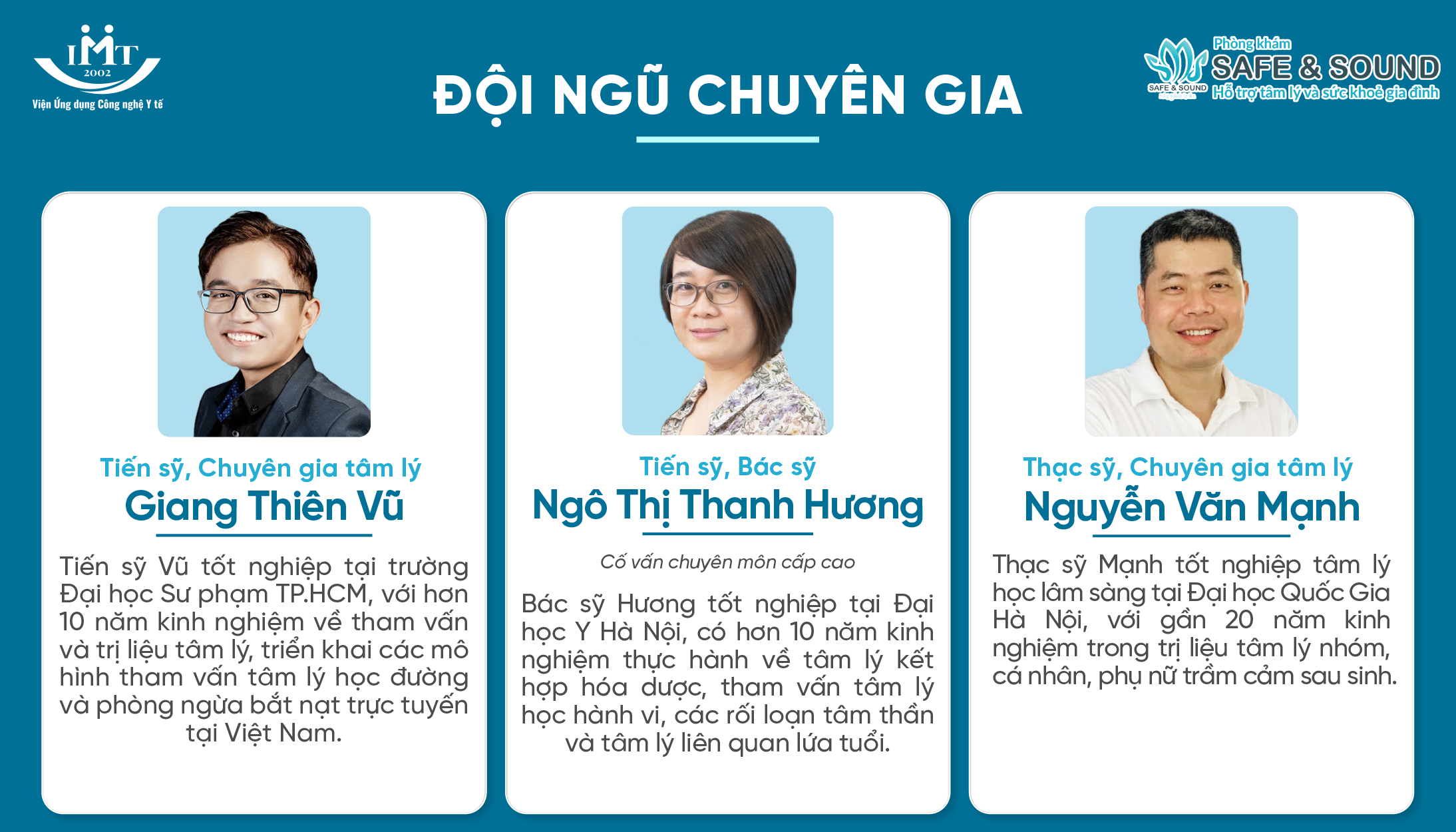
Safe and Sound Clinic - Family health and psychological support
With a team of experienced doctors and specialists, Safe and Sound Clinic is a pioneer in comprehensive health care with health care services from medicine to psychology.
“Early prevention - Timely support - Long-term companionship”.
If you have any doubts or experience any physical or mental health problems, please contact HOTLINE 0964 778 911 (Phone/Zalo, 24/7) for answers and support as soon as possible!
HOW TO MAKE AN APPOINTMENT for online or in-person consultation with an expert
- At SnS Clinic - IMT Institute
- Or download and schedule a consultation on the Safe and Sound app to manage and track your schedule anytime, anywhere.
Safe and Sound (SnS) - Institute of Applied Medical Technology (IMT)

See also:
- Tips to help reduce stress and pressure during Tet (Part 1)
- How does financial pressure affect psychology?
- 6 exercises to help you detox mentally: reduce stress and regenerate energy
